

Leading Medical Scrub Factory from China E-SONG APPAREL: SMETA Audit and Production Process Review

What Does the SMETA Audit Add to Medical Scrub Factory Qualification?
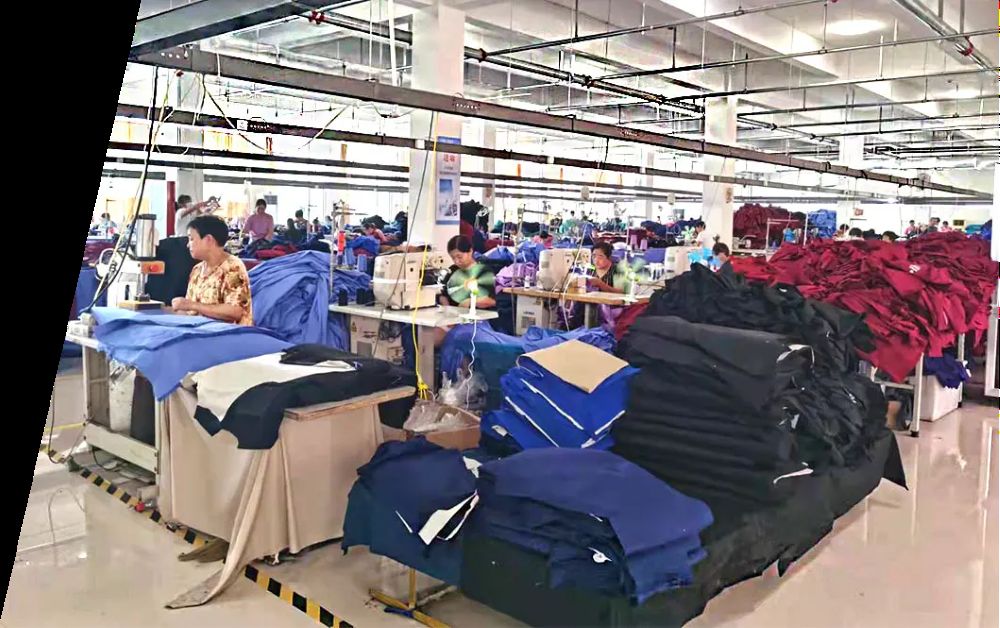
SMETA provides a structured social and operational audit framework for supplier qualification. E-SONG APPAREL underwent a SMETA audit on November 23, 2021, and a later SGS third-party audit covered production and management areas. This level of institutional review provides sourcing teams and corporate buyers with a verified baseline for factory conditions, ethical manufacturing practices, and operational compliance. When hospital networks or international distributors evaluate a new supplier, a SMETA medical scrub factory qualification serves as an essential trust signal. This indicates that the facility understands and adheres to recognized global standards for labor, health, and safety. This operational transparency is increasingly demanded by institutional buyers who require strict supply chain compliance.
The later SGS audit covered quality-management and production processes, environmental management, quality management, and occupational health and safety. These categories give sourcing teams a more concrete factory discussion than product imagery alone. Instead of merely evaluating the visual appeal of a scrub set, procurement officers can assess the underlying systems that ensure consistent quality across thousands of units. A strong environmental and quality-management framework suggests that the factory employs systematic defect reduction, proper material handling, and safe workplace protocols. These factors directly impact the reliability of long-term supply chains. Factory assessments provide procurement teams with the documented assurance needed to justify large-scale vendor commitments.
A SMETA audit remains one part of supplier qualification. The production brief, garment specification, sample approval, order controls, and delivery plan still determine whether a specific scrub program is ready for bulk production. While audit history mitigates social and operational risks, it does not guarantee that a factory can execute a complex 4-way-stretch fabric pattern or meet a strict delivery window. Buyers must therefore integrate the audit context with rigorous product-level validation, ensuring that the factory’s documented management systems actively support the precise technical requirements of the requested medical uniform.
How Does a Medical Scrub Factory From China Organize Production?
E-SONG APPAREL combines an owned factory in Linyi City with 120 workers and production lines subcontracted to two other factories. Total monthly production capacity is 200,000 units. This network supports order allocation across different uniform styles and volume requirements.
The network allows different uniform styles to run on different production lines. This can support factory qualification when a buyer needs to connect style complexity, order volume, and production allocation. Separating standard scrubs from multi-pocket cargo designs or custom-logo OEM projects can reduce bottlenecks. Specialized sewing teams can then focus on garment types that match their production role. This supports lower defect rates and keeps quality-control checks consistent across product categories. Efficient line management also supports more stable delivery planning.
How Do Scrub Specifications Move from Sample to Bulk Order?
Production readiness starts with a garment specification and a sample that reflects the intended fabric, fit, color, branding, and size range. E-SONG APPAREL can provide fabric swatches and a development sample before bulk ordering. The development-sample fee is USD 100 per set and can be credited against the bulk order. Photos and videos are also available for faster digital quality review.
When E-SONG APPAREL fabric is used, the MOQ is 300 pieces per style per color. A development sample costs USD 100 per set and can be credited against the bulk order. Selected orders may still use their product-specific payment and production schedules.
These product-specific terms help buyers organize sample approval, purchase quantity, payment milestones, and production timing around a defined scrub SKU. Commercial terms should follow the exact style selected for the order because fabric and sample requirements can differ. Treating each scrub variation as a separate manufacturing project keeps MOQ, material sourcing, and delivery aligned with the selected style. This reduces avoidable production miscommunication.
Which Factory and Order Controls Matter Before an RFQ?
Factory qualification becomes actionable when the commercial brief and production brief use the same garment definition. Procurement teams should lock the product before discussing timing, inspection, and repeat-order expectations. A vague scrub RFQ can produce cost and quality mismatches. Defining the garment first gives the factory data for line allocation and material sourcing. It also supports accurate labor costing and smoother manufacturing.
A scrub factory brief should combine these product, commercial, and onboarding fields. The factory review stays tied to the exact garment that will be sampled, approved, and released for bulk production.
Approved fabric composition, weight, color, and finish.
Top and pant pattern, size run, pockets, trims, and branding.
Sample quantity and approval responsibilities.
Bulk quantity by style and color.
Pre-production meeting, inline inspection, and final inspection. Customers may also arrange a third-party final inspection at the factory.
Packing, payment, and target production schedule.
Audit, code-of-conduct, or buyer-program requirements relevant to supplier onboarding.
The result is a supplier brief that connects factory qualification with the garment that will actually enter production. Integrating these fields gives the manufacturer a clearer basis for its production commitment. The buyer can then proceed with the order after the technical and commercial variables have been agreed.
Medical Scrub Factory FAQs
These answers focus on the factory and order questions that matter after a buyer has selected the scrub category.
What Is the Difference Between a Factory Audit and a Product Specification?
A factory audit addresses the supplier’s operational and management environment, while a product specification defines the fabric, pattern, size, construction, branding, and acceptance criteria for the garment being ordered. An audit confirms the facility is run responsibly, but the specification ensures the actual scrubs meet the buyer’s functional requirements.
What Production Capacity Supports E-SONG APPAREL Scrub Programs?
Total monthly production capacity is 200,000 units across the manufacturing network. Buyers can use that figure when matching the factory's scale to planned wholesale or institutional order volumes.
How Does Sampling Fit into Supplier Qualification?
Sampling lets procurement teams assess fabric, fit, construction, branding, and workmanship before bulk production. Fabric swatches and development samples are available before ordering. The sample fee is USD 100 per set and can be credited against the bulk order. Photos and videos can support faster remote review.
Do All Scrub Products Use the Same MOQ and Lead Time?
Commercial details can vary by product, but the MOQ is 300 pieces per style per color when E-SONG APPAREL fabric is used. Production timing and other order terms should then follow the selected style.
Which Information Should Accompany a Scrub RFQ?
The RFQ should combine garment specifications, quantities, branding, sample requirements, packing needs, audit requirements, payment expectations, and the target production schedule. Providing this comprehensive data upfront prevents costly delays and ensures accurate factory quoting.
Move From Factory Qualification to a Production-Ready Scrub Brief
A productive factory discussion links audit history and production organization with one exact scrub specification, sample route, quality plan, and order schedule. E-SONG APPAREL's quality process includes a pre-production meeting, inline inspection, and final inspection. Customers may also arrange a third-party final inspection.
Send the selected style, fabric, size run, branding, quantity, and production requirements to https://www.e-songuniforms.com/ to begin the next sourcing step.
Qingdao E-SONG apparel & accessories Co.,Ltd.
E-SONG APPAREL
email us here
Visit us on social media:
TikTok
Legal Disclaimer:
EIN Presswire provides this news content "as is" without warranty of any kind. We do not accept any responsibility or liability for the accuracy, content, images, videos, licenses, completeness, legality, or reliability of the information contained in this article. If you have any complaints or copyright issues related to this article, kindly contact the author above.
